Blog

Man Down Detection With Live RTLS Position

Accelerometer detects a fall, the phone beeps for confirmation, and if nobody cancels, security sees the incident and the live 3D position.

  • Patrik Pasko

  • August 27, 2026

twinzo logistics analytics on a phone
Man Down Detection With Live RTLS Position

Technician Alone Between Machines, Then Down

Night shift on a manufacturing line. One technician walks a maintenance route between presses and conveyors that keep running. Radio chatter is thin. If they slip on oil, hit a step, or catch a rail and go down hard, the next person past that aisle might be minutes away. Plants already treat lone work in machine halls as a known risk: you cannot rely on a coworker hearing a shout over noise, and a radio that is face-down under a body does not help the security desk find the spot.

With RTLS on the phone, that technician already has a live pin on the twinzo map. Man down sits on top of that track. The accelerometer sees a fall pattern, the phone starts beeping, and the operator gets a short window to press a button and mark it as a false alarm. If they do not confirm, security gets the incident with the active real-time position - which hall, which buffer, which side of the line - instead of starting a radio search across the whole plant.
Live RTLS technician positions on a twinzo 3D industrial site

Steel Yard Stairs and Blind Corners

On a steel production site the problem is height and clutter, not only silence. Scaffolding, crane shadows, coil stacks, and stairs between platforms create blind corners. A fitter can fall on a mezzanine or beside a silo and disappear from line of sight. Industry practice already pushes fall protection and permit-to-work for elevated tasks; what still kills response time is not knowing which stairwell or platform to send the first aider to.

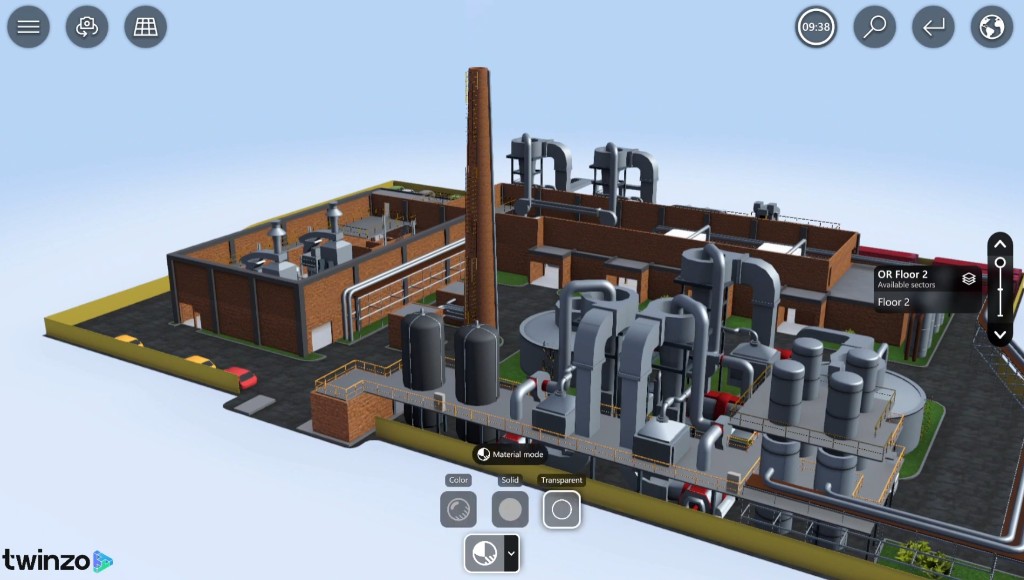
Typical moment: a welder finishes a job on the upper walkway, steps wrong on grated flooring, and goes down. The phone beeps. They are conscious but cannot reach the cancel button in time, or they are out. Security opens the twin, sees the pin on Floor 2 next to the silo row, and sends the team to that stair - not to the wrong hall and not to a radio guess. Floor selectors and transparent building views matter here because the person is not on a flat 2D yard map; they are on a level.

twinzo 3D plant view with floor sector control for multi-level tracking

Oil Rig Deck: Fall Between Levels

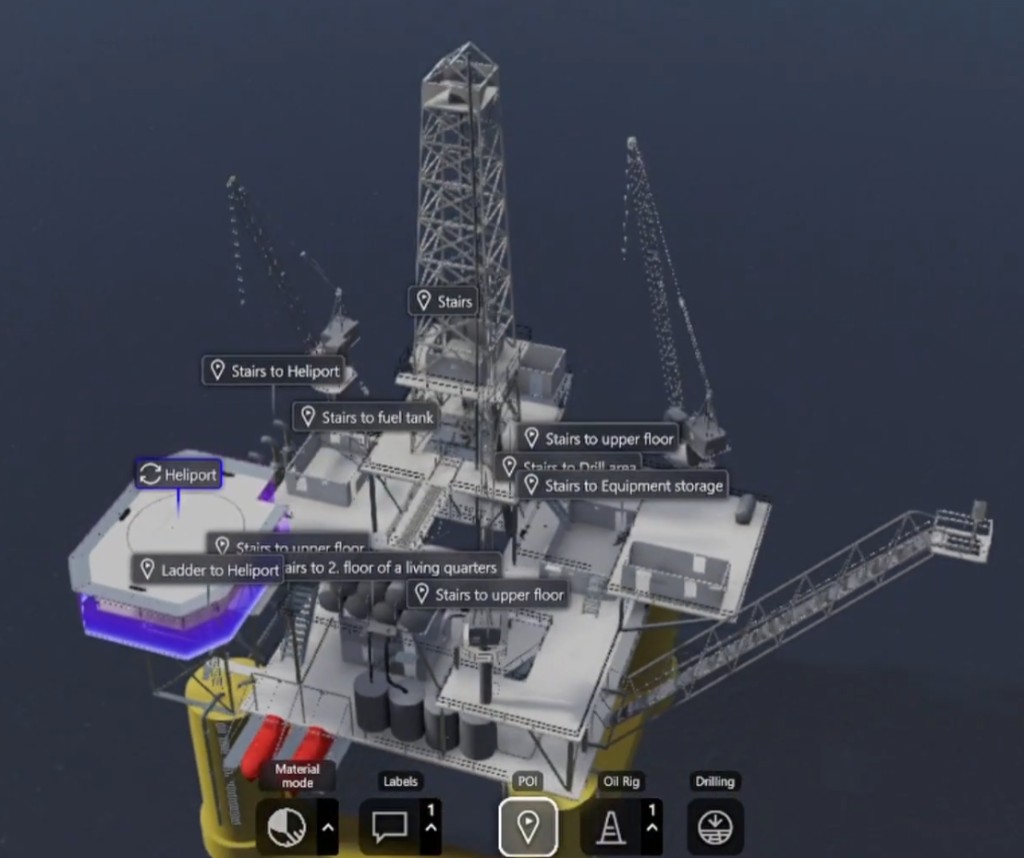
Offshore and onshore oil facilities stack decks, ladders, and process equipment into vertical mazes. A technician working near a fuel tank, drill floor, or heliport approach can fall one level down and be invisible from the control room camera that was covering the wrong deck. Process safety culture already assumes hazardous areas and limited muster visibility; man down only helps if the alert carries a position people can navigate to - stairs to the tank, ladder to the heliport, living-quarters floor - not a vague 'someone is down on site.'

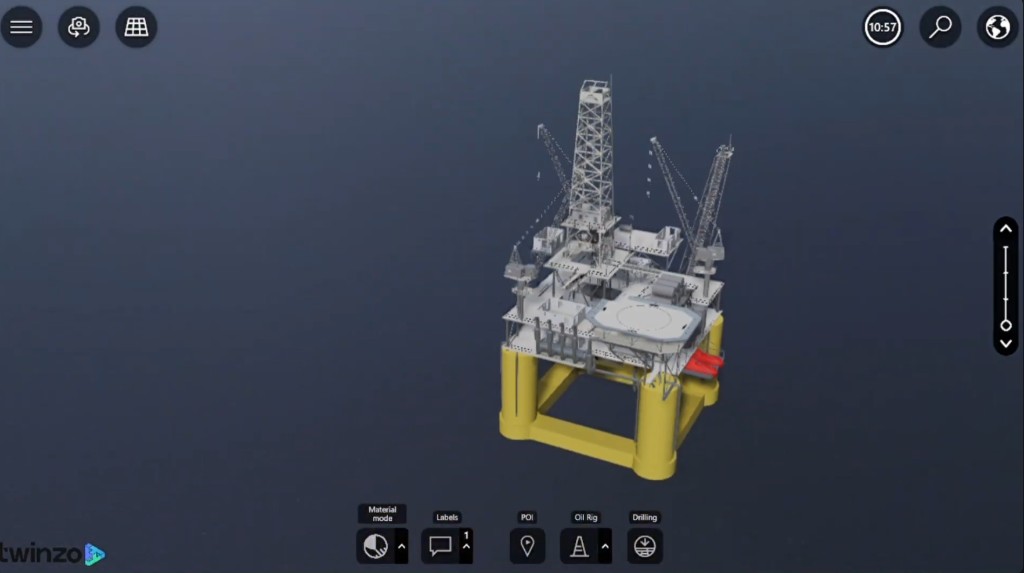
When the confirmation timer expires, the security manager gets the notification and the live pin on the 3D rig model. They see which deck and which POI cluster the device sits in, then dispatch to that stair or ladder. The same RTLS track that showed normal movement minutes earlier becomes the rescue coordinate. No guessing which yellow platform, no waiting for the next radio check-in that never comes.

twinzo 3D oil rig digital twin used for technician location

How Man Down Runs on the Phone

The flow is short on purpose. False alarms happen - a phone dropped in a bag, a hard sit on a bench, a bump against a handrail - so the operator always gets a chance to cancel before security is pulled into a real response.

1. Fall detected - the accelerometer on the smartphone registers a fall pattern while the technician is tracked by RTLS.

2. Phone beeps - the device alerts the wearer to confirm they are OK.

3. Cancel or escalate - press the button to mark a false alarm. If nobody confirms in time, the incident goes out.

4. Security sees it live - notification plus active real-time position on the twin: hall, floor, deck, or yard coordinate.

That pairing is the point. Man down without location is a siren with no map. Location without man down is a pin that never raises its hand when the person cannot. twinzo keeps both on the same technician track security already watches for movement in dangerous areas.

Oil rig twin with POI labels for stairs, decks, and heliport access

Live Movement First, Then the Fall Alert

Man down only works if you already know who is where. RTLS tracking shows technicians moving through dangerous areas in real time: machine halls, steel platforms, process decks, confined corridors between tanks. Security and supervisors use that same picture for musters, no-go checks, and 'who is still in the zone' questions. When a fall fires, they do not switch tools - they open the same twin and the pin is already there.

On multi-level sites that means floor or sector context, not only an XY dot. A transparent material view or a deck model with labeled stairs turns 'near the heliport' into a path responders can walk. The alert is useful because the map is already the operational picture for those people.

What Security Does With the Notification

When the timer expires, the security manager gets the incident, not a vague alarm. They see who, that man down escalated, and the live position on the facility model. From there the job is ordinary response work: call the closest first aider, send a runner to that stair, stop nearby traffic if needed, keep the pin open until someone is on scene.

False alarms that were cancelled never leave the phone. Real ones do not depend on the downed person still being able to talk on radio. That split is why plants keep a confirmation step - you do not want every dropped phone to empty the guard desk, and you also do not want a silent fall to wait for the next planned check-in.

Other Sites Where This Matters

Same pattern anywhere people work alone or out of sight in hazardous layout:

• Chemical plant pipe rack - fall between elevated walks; security needs deck and bay, not 'somewhere in process.'

• Warehouse high-bay - picker or technician between rack aisles where forklifts and noise hide a shout.

• Power plant turbine hall - maintenance under or beside heavy equipment with long response paths.

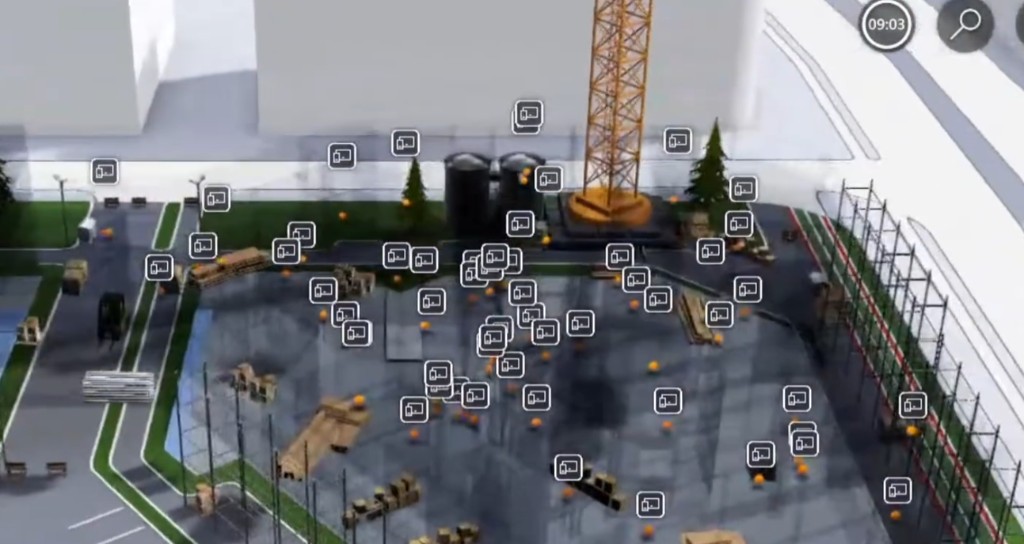
• Construction or turnaround yard - temporary scaffolding and changing layout; live pin beats a printed map from last week.

• Night shift security rounds - guard falls on a remote perimeter route; cancel window, then alert with position.

Put Man Down on the People You Already Track

If technicians already carry RTLS in dangerous areas, man down is the next layer on that same track: fall detection, beep and cancel, then security notification with live position on the twin.

Same RTLS layer as logistics optimization and the office stack in Quuppa BLE on an office twin. Get in touch if you want to walk through this on your own facility model.

You might also be interested in:

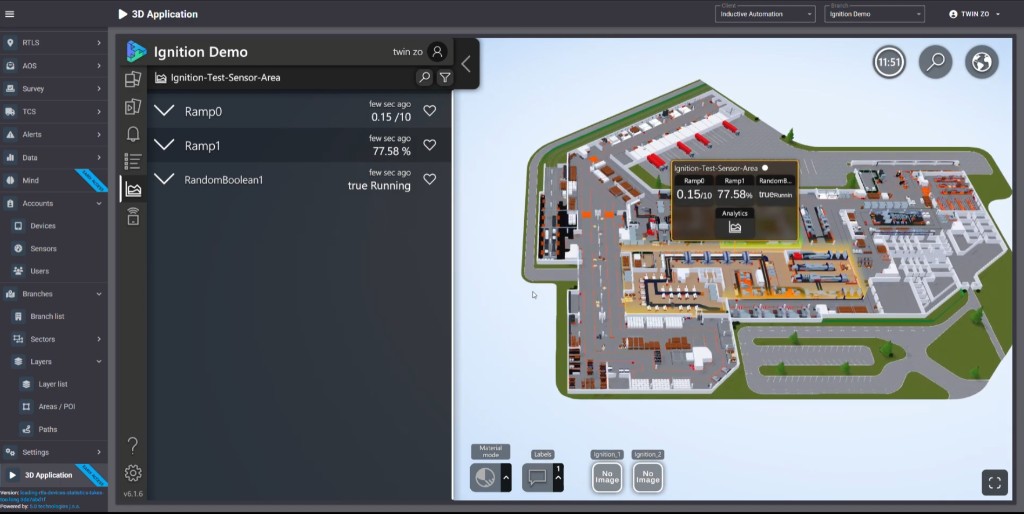
Ignition MES Integration With the twinzo Digital Twin

Ignition MES Integration With the twinzo Digital Twin

Ignition is the SCADA and MES platform many plants already run. Here is who uses it, how Gateway tags and modules work, and how the twinzo plugin maps that data onto a live 3D twin.

Read more
SLAM Localization: Sensors, Algorithms, and Industrial Providers

SLAM Localization: Sensors, Algorithms, and Industrial Providers

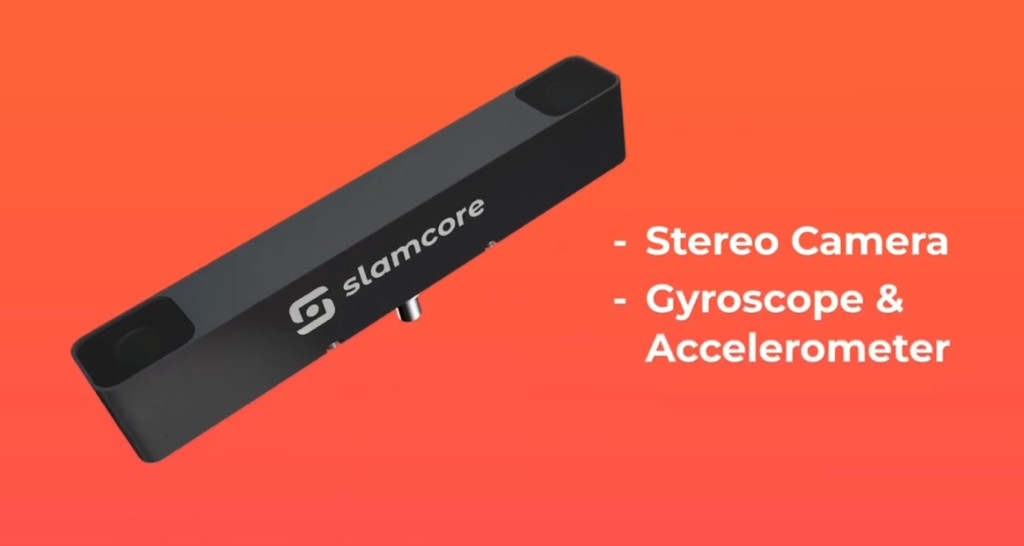
How visual, visual-inertial, and LiDAR SLAM estimate pose and map in GPS-denied halls. Front-end tracking, loop closure, map alignment, and providers including Slamcore.

Read more

Landscape mode is not supported, please rotate your device.

By clicking “Accept”, you agree to the storing of cookies on your device to enhance site navigation, analyze site usage, and assist in our marketing efforts. View our Privacy Policy for more information.